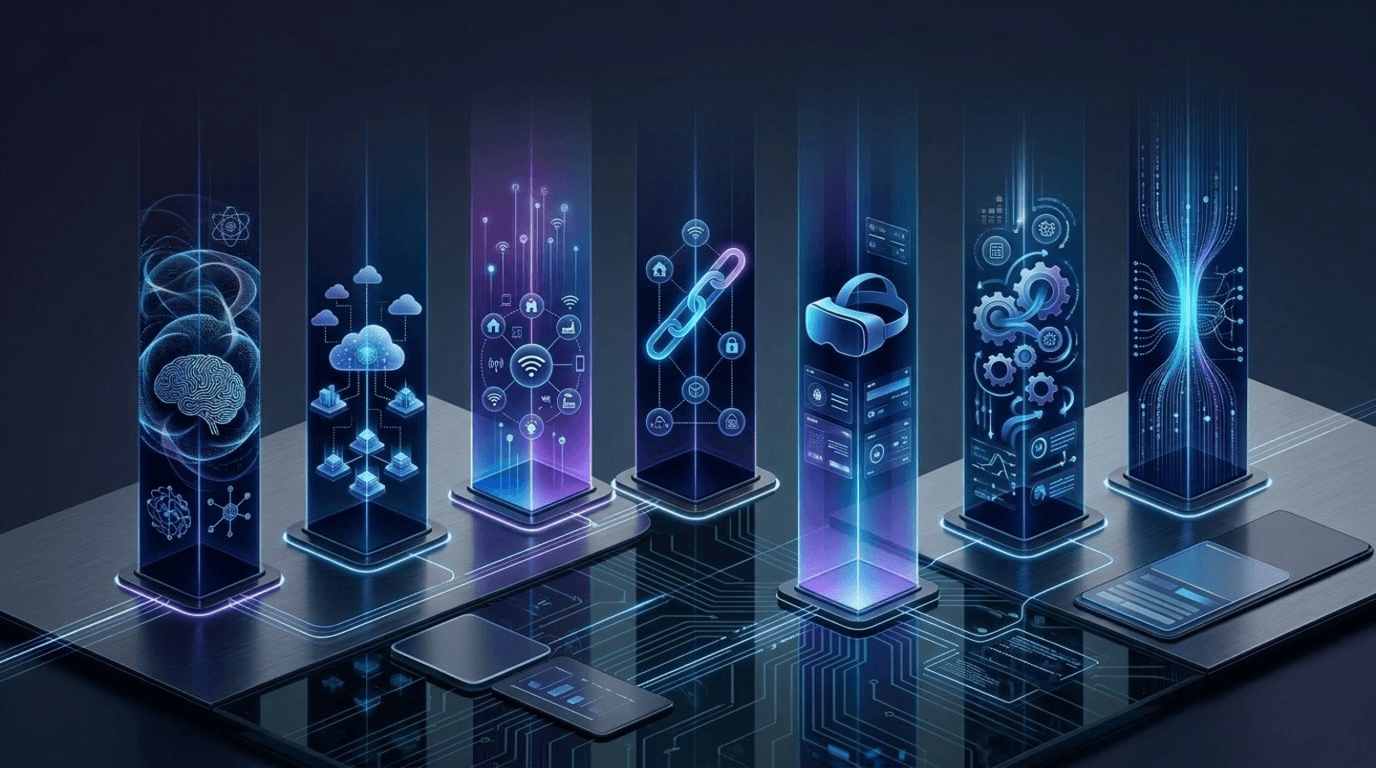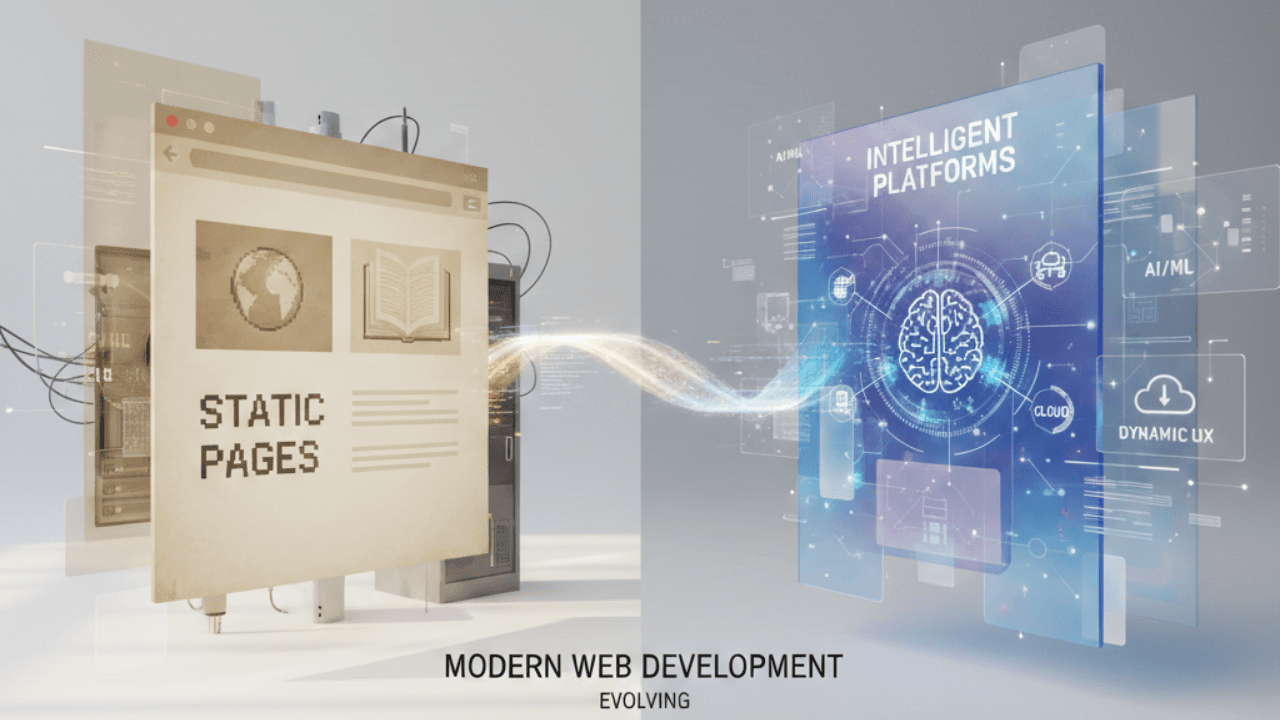

The internet has come a long way from the early days of static HTML pages. What once began as simple digital brochures has transformed into powerful, intelligent platforms that shape how we shop, learn, communicate, and do business. Modern web development is no longer just about building websites. It is about creating dynamic ecosystems that respond to users, integrate with multiple technologies, and evolve alongside business goals.
Today’s web is interactive, personalized, secure, scalable, and increasingly intelligent. The shift did not happen overnight. It has been driven by user expectations, technological advancements, and the growing need for businesses to deliver seamless digital experiences.
In this blog, we explore how web development has evolved from static pages to intelligent platforms, what forces are driving this transformation, and what it means for businesses and developers moving forward.
The Era of Static Websites
In the early days of the web, websites were simple and informational. Built using basic HTML and minimal styling, static pages displayed fixed content. If a company wanted to update text or images, developers had to manually edit the code and upload new files to the server.
These websites served their purpose at the time. They provided visibility and basic information. However, they lacked interaction. There were no personalized experiences, no real-time updates, and very limited engagement.
Static websites were essentially digital posters. They were readable, but not interactive. For businesses, this meant limited opportunities to collect data, adapt content, or build deeper customer relationships.
As internet usage expanded and user expectations grew, static pages were no longer enough.
The Rise of Dynamic Websites
The next major evolution came with dynamic web development. Technologies such as PHP, ASP.NET, and JavaScript enabled websites to generate content dynamically based on user input or database interactions.
This marked a turning point.
Websites were no longer just pages. They became systems. Users could log in, submit forms, leave comments, and interact with content. E-commerce platforms emerged, allowing customers to browse products, manage carts, and complete transactions.
Databases became central to web architecture. Content Management Systems allowed businesses to update content without editing code. Websites started to become manageable, scalable, and interactive.
Dynamic development introduced personalization. A logged-in user could see different content than a new visitor. Businesses could track behavior and refine experiences.
This shift transformed websites from informational assets into functional tools.
User Experience Became the Priority
As competition online intensified, user experience became a defining factor. Design was no longer just about aesthetics. It was about usability, speed, accessibility, and responsiveness.
The introduction of smartphones further accelerated change. Mobile-first design became essential. Websites had to adapt seamlessly to different screen sizes and devices.
Front-end frameworks such as React, Angular, and Vue enabled developers to create highly interactive interfaces. Instead of reloading entire pages, applications could update content instantly. This made web platforms feel faster and more fluid.
Speed also became critical. Studies showed that users abandon slow websites within seconds. Performance optimization, content delivery networks, and lightweight code practices became standard in modern development.
Web development was no longer just technical implementation. It was strategic experience design.
The Shift to Platforms, Not Just Websites
A significant milestone in the evolution of web development was the transition from websites to platforms.
A website informs. A platform connects, processes, and evolves.
Consider modern examples such as e-commerce ecosystems, SaaS products, or social media networks. These are not simple pages. They are complex systems integrating payment gateways, analytics engines, APIs, real-time communication, and cloud infrastructure.
Modern web platforms:
- Process large volumes of data
- Integrate third-party services
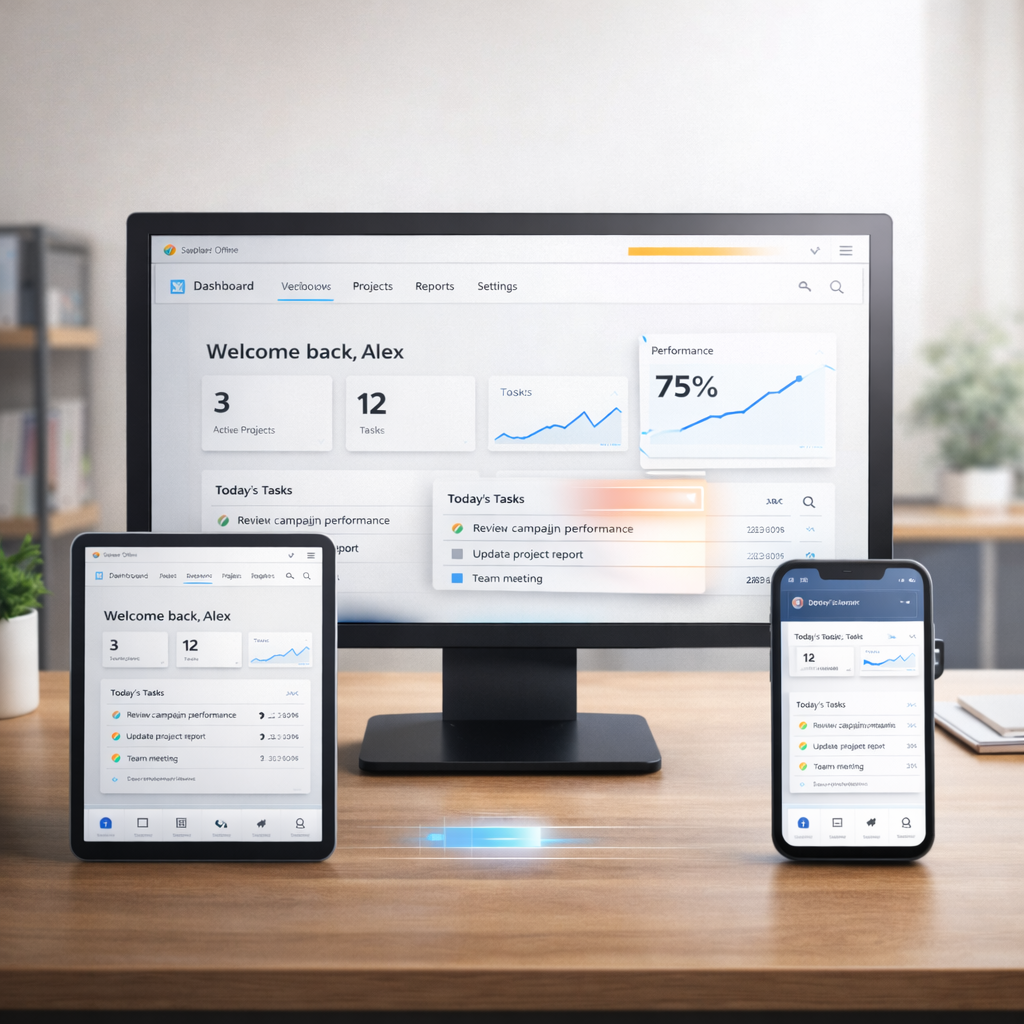
- Provide dashboards and user accounts
- Support real-time updates
- Scale across regions
The architecture behind these platforms is significantly more sophisticated than early websites. Microservices, cloud computing, and API-driven development now power most scalable digital solutions.
This evolution reflects a broader shift. Businesses no longer ask for websites. They ask for digital solutions.
The Role of Cloud and Scalability
Cloud computing has dramatically reshaped web development. Instead of relying on single physical servers, businesses now deploy applications across distributed cloud infrastructure.
This allows platforms to scale automatically based on traffic. During peak demand, resources expand. When traffic decreases, systems scale down to reduce costs.
Cloud-based development also enables faster deployment, improved security, and better disaster recovery.
Scalability is no longer optional. Modern users expect reliability at all times. Whether a platform serves hundreds or millions of users, performance must remain consistent.
Web development has therefore become deeply connected to infrastructure strategy.
The API Economy and Integration
Another defining characteristic of modern web platforms is integration.
Today’s websites rarely operate in isolation. They connect with payment processors, marketing automation tools, CRM systems, analytics platforms, and AI services.
APIs make this possible.
API-driven development allows different systems to communicate seamlessly. Instead of building everything from scratch, developers can integrate specialized tools and services into a cohesive platform.
This modular approach accelerates innovation. Businesses can adopt new capabilities without rebuilding entire systems.
The web has become interconnected, and development practices have evolved to support this ecosystem.
Artificial Intelligence and Intelligent Experiences
One of the most transformative forces in modern web development is artificial intelligence.
AI is no longer limited to research labs. It is embedded directly into digital platforms.
Websites now use AI to:
- Personalize content recommendations
- Analyze user behavior
- Power chatbots and virtual assistants
- Detect fraud
- Optimize search results
- Predict customer preferences
This intelligence transforms user interaction. Instead of static content, users experience adaptive environments tailored to their needs.
For example, e-commerce platforms recommend products based on browsing history. Streaming platforms suggest content aligned with viewing habits. Customer support bots resolve issues instantly.
These capabilities redefine engagement. Websites are no longer reactive. They are predictive.
Security in the Modern Web Landscape
As platforms grow more complex, security has become a foundational priority.
Data breaches and cyber threats are increasing. Users entrust platforms with sensitive information, including personal details and financial data.
Modern web development incorporates:
- Encryption protocols
- Secure authentication methods
- Multi-factor authentication
- Continuous monitoring
- Compliance with global data regulations
Security is not an afterthought. It is integrated from the beginning of development.
Trust has become a competitive advantage. Businesses that invest in secure platforms build stronger, longer-lasting relationships with their users.
The Rise of Progressive Web Applications
Progressive Web Applications represent another significant step in web evolution.
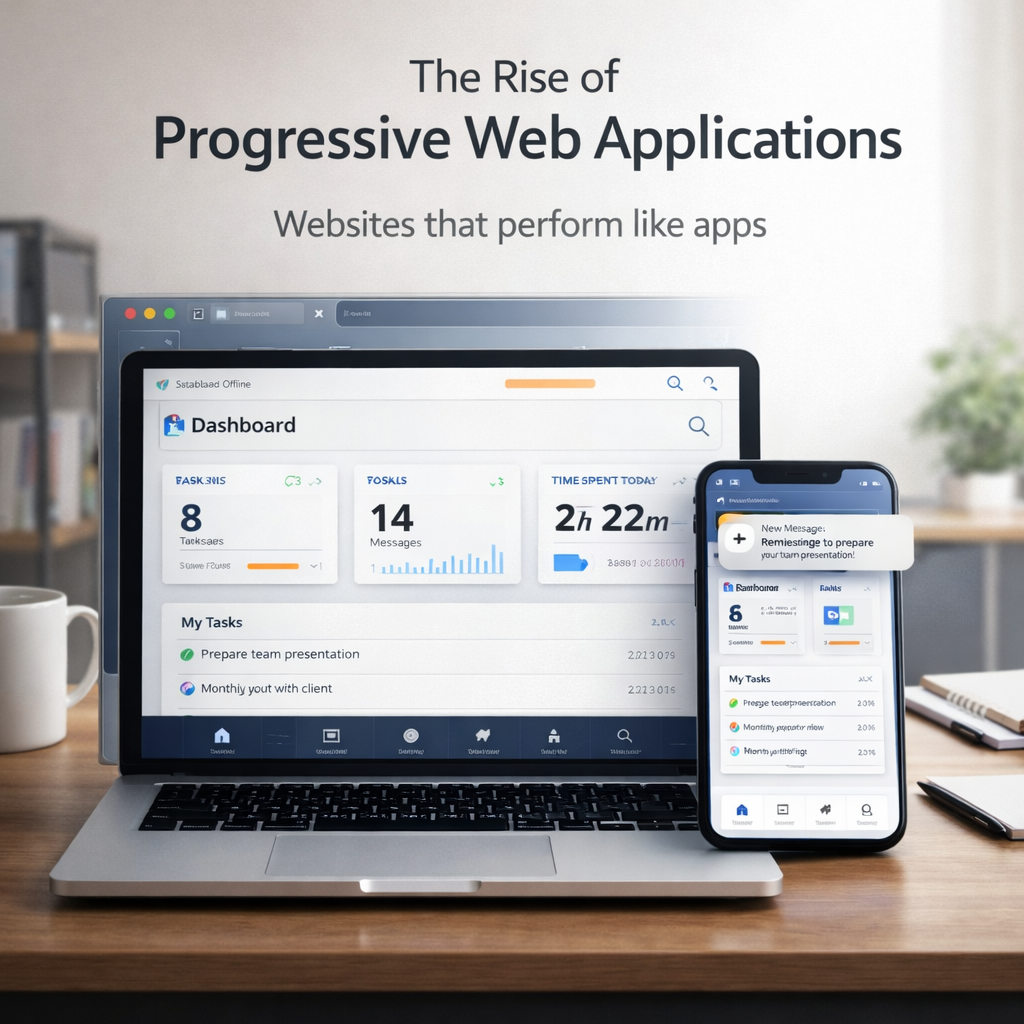
PWAs combine the accessibility of websites with the functionality of mobile apps. They work offline, send push notifications, and load quickly even in low connectivity conditions.
For businesses, PWAs offer cost-effective alternatives to native app development while delivering comparable user experiences.
This hybrid model reflects a broader trend: convergence. The boundaries between websites and applications are fading.
Modern web platforms must deliver app-like performance within browser environments.
Accessibility and Inclusive Development
Web development today also prioritizes accessibility. Inclusive design ensures that digital experiences are usable by individuals with disabilities.
This includes:
- Screen reader compatibility
- Keyboard navigation support
- Color contrast optimization
- Captioned multimedia
Accessibility is not just ethical. In many regions, it is a legal requirement.
By designing inclusive platforms, businesses expand their reach and demonstrate social responsibility.
The evolution of web development is therefore not just technical. It is human-centered.
Data-Driven Decision Making
Modern platforms collect and analyze vast amounts of data.
User interactions, click patterns, session durations, and conversion rates provide valuable insights.
Developers and product teams use analytics to:
- Optimize layouts
- Improve navigation flows
- Refine marketing strategies
- Increase conversions
A/B testing and behavioral analysis enable continuous improvement.
Web development is no longer static after launch. It is iterative and data-driven.
Platforms evolve based on evidence, not assumptions.
The Developer’s Role Is Expanding
The evolution from static pages to intelligent platforms has also changed the role of developers.
Developers are no longer just coders. They are architects, strategists, and collaborators.
Modern web professionals must understand:
- User experience principles
- Cloud infrastructure
- Security standards
- API integrations
- Performance optimization
- Emerging technologies
Full-stack thinking is increasingly valuable. Developers who understand both front-end experience and back-end systems can create cohesive solutions.
Collaboration between designers, engineers, product managers, and data specialists is essential.
Web development is now multidisciplinary.
Future Trends Shaping the Next Phase
Looking ahead, several trends will continue driving evolution:
- Edge computing will reduce latency by processing data closer to users.
- Voice interfaces will change how users interact with platforms.
- AI-generated content will streamline development workflows.
- Web3 technologies may introduce decentralized ownership models.
- Sustainability will influence infrastructure decisions to reduce digital carbon footprints.
The web will become more immersive, intelligent, and integrated with emerging technologies such as augmented reality.
The pace of change will accelerate.
What This Means for Businesses
For businesses, the message is clear. A basic website is no longer enough.
Modern consumers expect:
- Seamless performance
- Personalized experiences
- Security and privacy
- Cross-device consistency
- Real-time responsiveness
Organizations must treat web development as a strategic investment, not a one-time project.
An intelligent platform can:
- Increase customer engagement
- Improve operational efficiency
- Generate valuable insights
- Drive long-term growth
Companies that fail to evolve risk falling behind competitors who embrace innovation.
Conclusion: The Web Is Now an Ecosystem
The journey from static pages to intelligent platforms reflects more than technological advancement. It reflects a shift in how we live and conduct business.
Web development has evolved from simple content publishing to building complex digital ecosystems. Today’s platforms learn, adapt, integrate, and scale.
They are not just online brochures. They are engines of engagement, growth, and transformation.
As we move forward, the distinction between websites and applications will continue to blur. Intelligence will become embedded into every layer of development. User expectations will keep rising.
The future of web development belongs to those who think beyond code. It belongs to those who understand experience, strategy, and innovation.
From static beginnings to intelligent systems, the web’s evolution tells a powerful story. And this story is far from finished.
The next chapter will be defined by creativity, adaptability, and human-centered design working alongside intelligent technologies.
The web is no longer just a place to visit. It is a place where business happens, communities grow, and ideas scale globally.
And modern web development is the foundation that makes it all possible.