
Artificial Intelligence is transforming the modern workplace faster than any technology in recent history. From automated workflows and AI-generated reports to predictive analytics and customer support chatbots, machines are increasingly capable of performing tasks that once required human effort.
Yet despite these advancements, a critical question remains:
Where does automation stop, and where does human judgment begin?
While AI excels at processing data, identifying patterns, and executing repetitive tasks, it still struggles with context, ethics, empathy, and complex decision-making. The most successful organizations in 2026 are not replacing people with AI but instead combining automation with human judgment to create more intelligent workflows.
This balance between machine efficiency and human insight is shaping the future of work.
The Rise of Automation in the Workplace
Automation has been part of business operations for decades. Early systems automated simple tasks such as manufacturing processes, payroll calculations, and inventory tracking.
However, modern AI technologies have expanded automation far beyond these basic functions.
Today, AI can:
Analyze massive datasets in seconds
Generate written content and reports
Predict customer behavior
Automate marketing campaigns
Assist with software development
These capabilities have made AI an essential tool for improving productivity and efficiency across industries.
But automation does not eliminate the need for human involvement. Instead, it shifts the nature of work toward tasks that require interpretation, creativity, and decision-making.
What Automation Does Best
To understand where human judgment becomes necessary, it is helpful to first examine what AI and automation systems do exceptionally well.
Processing Large Volumes of Data
AI systems are designed to analyze enormous datasets quickly and identify patterns that would take humans much longer to detect.
For example, AI can analyze customer purchasing patterns, detect financial fraud, or predict equipment failures in industrial environments.
These capabilities enable organizations to make faster and more informed decisions.
Handling Repetitive and Rule-Based Tasks
Automation is particularly effective when tasks follow predictable rules or structured workflows.
Common examples include:
Data entry
Scheduling and calendar management
Expense reporting
Customer support responses
Inventory management
Employees often welcome automation in these areas because it removes tedious work and frees them to focus on more meaningful tasks.
Delivering Speed and Consistency
Machines do not become tired, distracted, or inconsistent.
Once properly configured, automated systems can perform tasks with a high level of accuracy and consistency, which is especially valuable in industries such as finance, logistics, and manufacturing.
This reliability makes automation ideal for operational processes where precision and efficiency are essential.
Where Automation Reaches Its Limits
Despite its strengths, AI has clear limitations.
Certain types of work require capabilities that machines still struggle to replicate.
Decision-Making in Ambiguous Situations
AI systems rely heavily on data and predefined objectives.
However, many real-world decisions involve ambiguity, incomplete information, or competing priorities.
In these situations, human judgment becomes critical.
For example:
Negotiating a business partnership
Managing organizational conflict
Evaluating ethical implications of a decision
Responding to unexpected crises
Humans can interpret context and consider broader consequences in ways that algorithms cannot.
Ethical and Moral Reasoning
AI systems optimize for objectives defined by humans, but they do not possess moral awareness.
This creates significant challenges when decisions involve ethical considerations.
Industries such as healthcare, finance, and law must carefully evaluate AI recommendations to ensure fairness, transparency, and accountability.
Experts emphasize that while AI can provide insights, final responsibility for decisions must remain with humans.
Creativity and Strategic Thinking
Creativity often involves combining ideas from different contexts, imagining possibilities, and evaluating long-term consequences.
While AI can generate suggestions or analyze trends, it lacks the deeper understanding required for strategic innovation.
Human creativity remains essential for:
Product innovation
Brand storytelling
long-term business strategy
leadership decisions
Emotional Intelligence and Empathy
Human interactions frequently involve emotions, trust, and interpersonal understanding.
AI systems may simulate conversational responses, but they cannot truly understand human experiences.
Leadership, coaching, negotiation, and customer relationships still rely heavily on empathy and emotional intelligence.
These qualities remain uniquely human strengths in the workplace.
The Human-in-the-Loop Model
As organizations adopt AI tools, many are implementing what is known as the human-in-the-loop model.
In this approach:
AI performs data analysis and automation tasks
Humans supervise, interpret, and validate outcomes
Final decisions remain under human control
This collaborative model ensures that AI improves efficiency while minimizing risks associated with fully automated decision-making.
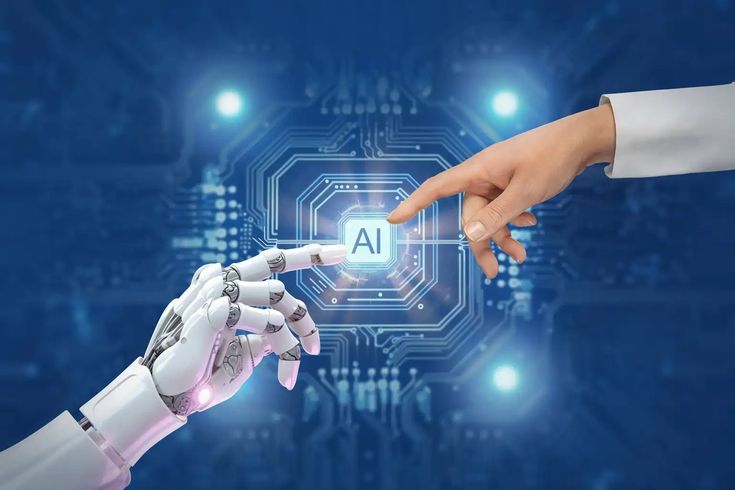
Companies increasingly see AI not as a replacement for employees but as a copilot that enhances human capabilities.
The Psychological Challenge of Automation
While AI can improve productivity, it also introduces new challenges for workers.
One common issue is automation bias, where people rely too heavily on machine recommendations even when they are incorrect.
Research shows that individuals may accept AI suggestions without sufficient critical evaluation, which can lead to poor decisions if the system makes an error.
To address this challenge, organizations must encourage employees to:
Question AI outputs
Verify important decisions
Maintain accountability for outcomes
Human oversight remains essential to ensure that automation supports decision-making rather than replacing critical thinking.
How AI Is Changing the Nature of Work
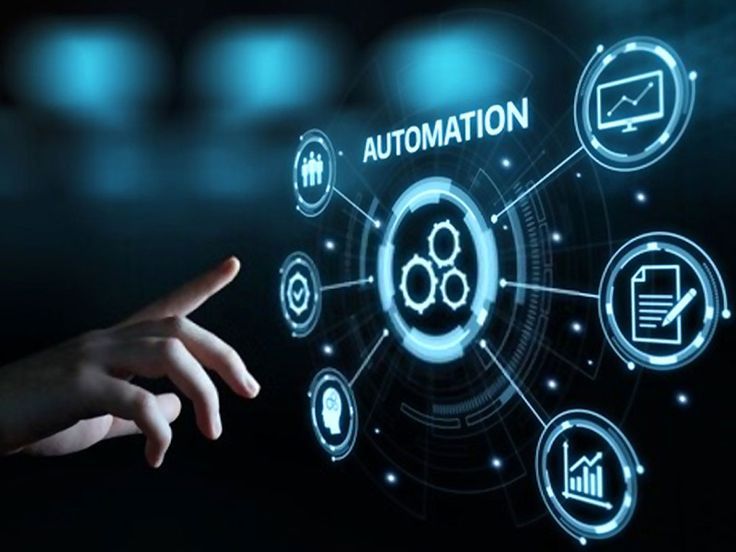
As automation expands, job roles are evolving rather than disappearing.
Employees are increasingly expected to work alongside AI systems, focusing on tasks that require human strengths.
This shift is creating several new types of roles.
AI-Augmented Professionals
Many professionals now rely on AI tools to enhance their productivity.
For example:
marketers use AI to analyze customer data
developers use AI-assisted coding tools
analysts rely on AI for predictive insights
In these roles, AI acts as an assistant that accelerates work without replacing human expertise.
AI Supervisors and Evaluators
Organizations are also creating roles focused on monitoring and evaluating AI systems.
These professionals ensure that AI models remain accurate, unbiased, and aligned with business objectives.
Strategic Decision-Makers
As automation handles routine tasks, leaders must focus more on strategic thinking and long-term planning.
The ability to interpret AI insights and make informed decisions will become a key leadership skill.
Building a Balanced AI Strategy
Organizations that successfully integrate AI into their operations typically follow a balanced approach.
Instead of attempting full automation, they focus on areas where AI delivers clear value.
Several principles guide this strategy.
Start with Practical Use Cases
Companies should identify tasks that are both highly repetitive and valuable to automate.
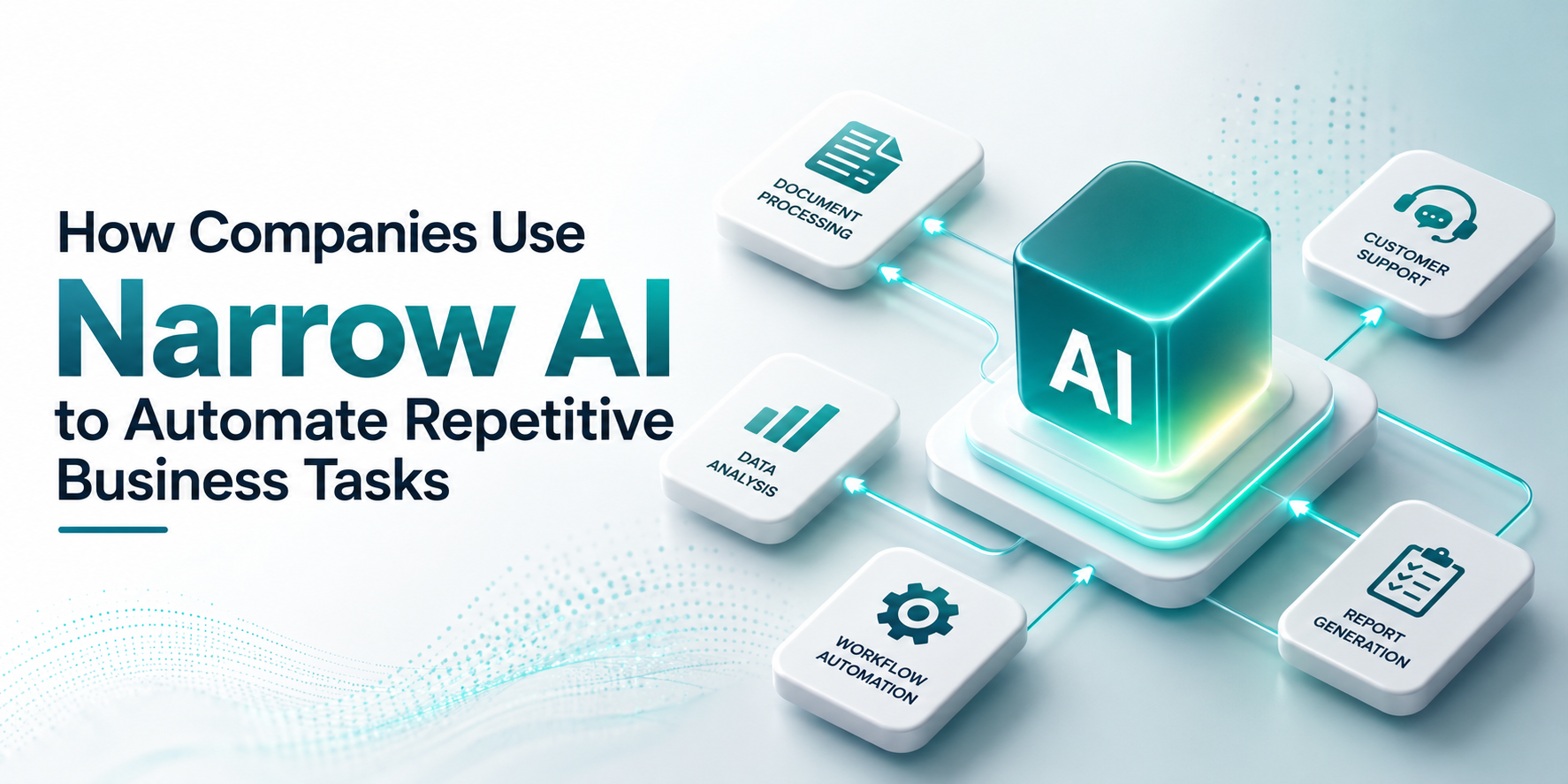
This might include document processing, customer support automation, or predictive analytics.
Keep Humans Responsible for Decisions
Even when AI provides recommendations, the final decision should remain with a human.
This ensures accountability and prevents overreliance on automated systems.
Invest in Employee Training
Employees must learn how to work effectively with AI tools.
Training programs should teach workers how to interpret AI insights, identify errors, and integrate automation into their workflows.
Build Trust Through Transparency
Trust is essential for successful AI adoption.
Organizations should ensure that employees understand how AI systems work and what their limitations are.
When people understand technology, they are more likely to trust and use it effectively.
The Future of Human Judgment in an AI World
As artificial intelligence continues to evolve, the boundary between automation and human decision-making will keep shifting.
Some experts predict that AI could eventually perform many professional tasks with human-level performance.
However, even as automation expands, the importance of human judgment will remain.
The future workforce will likely focus on abilities that machines cannot easily replicate, such as:
critical thinking
ethical reasoning
leadership and communication
creativity and innovation
Rather than replacing people, AI will reshape work so that humans focus more on these uniquely human strengths.
Conclusion: The Real Power of Human-AI Collaboration
The rise of AI does not mean the end of human work.
Instead, it marks the beginning of a new era of collaboration between humans and machines.
Automation excels at speed, accuracy, and data analysis. Human judgment provides context, ethics, creativity, and responsibility.
Organizations that successfully combine these strengths will unlock the true potential of artificial intelligence.
In the future workplace, the most successful professionals will not be those who compete with AI, but those who learn how to work alongside it effectively.
.png)